
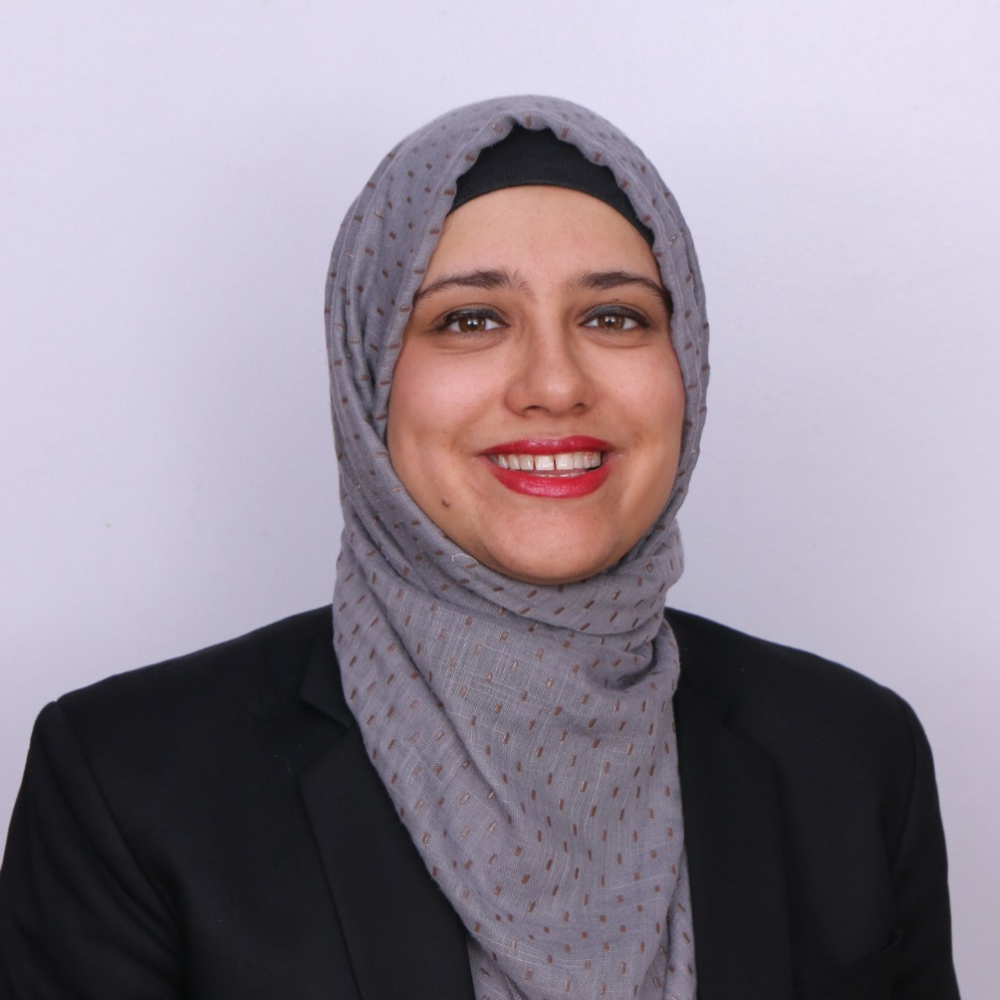
Zohra Ahmed is a Family Violence Specialist and Researcher in the field of Gender-based Violence and Femicide. She has nearly 8 years of experience in the Development Sector, and has worked with international organizations such as GIZ and UNDP to assist with the rehabilitation of women and children affected by family violence and abuse. As a capacity building trainer and facilitator for GBV-F, she actively works with both corporations and community-based organizations to conduct workshops and training sessions to raise awareness about these issues.
She is the founder of The Jugnu Project, which is Pakistan’s Digital Domestic Violence Resource Center. With its Head Office in Karachi, her firm assists survivors of domestic and gender-based violence across Pakistan get access to important (and sometimes life-saving) services, including deep trauma therapy, legal aid and transitional housing.
Zohra frequently campaigns for equity under family law, with a focus towards domestic violence and property / inheritance rights. She works to train domestic workers, advocates and civil society at large to combat taboos regarding the same.
panel
Drawing from Echoes Media’s grant-supported work on technology-based gender-based violence (TBGBV) and the gendered impacts of climate change, this panel explores how women’s stories illuminate both urgent risks and powerful possibilities. It brings together voices working across media, advocacy, and community engagement to examine how digital harm, climate vulnerability, disinformation, and social inequity intersect in the lives of women and girls in Pakistan. The discussion will also reflect on how misinformation and harmful narratives silence marginalized communities, distort lived realities, and reinforce existing power imbalances. Through insights from fieldwork, narrative initiatives, and creative practice, the panel highlights how ethical storytelling and inclusive representation can amplify unheard voices and become tools for safety, resilience, and accountability. Together, our panelists will explore how centering women’s experiences can challenge dominant narratives, drive cultural change, strengthen protection systems, and inspire new pathways toward equity.