
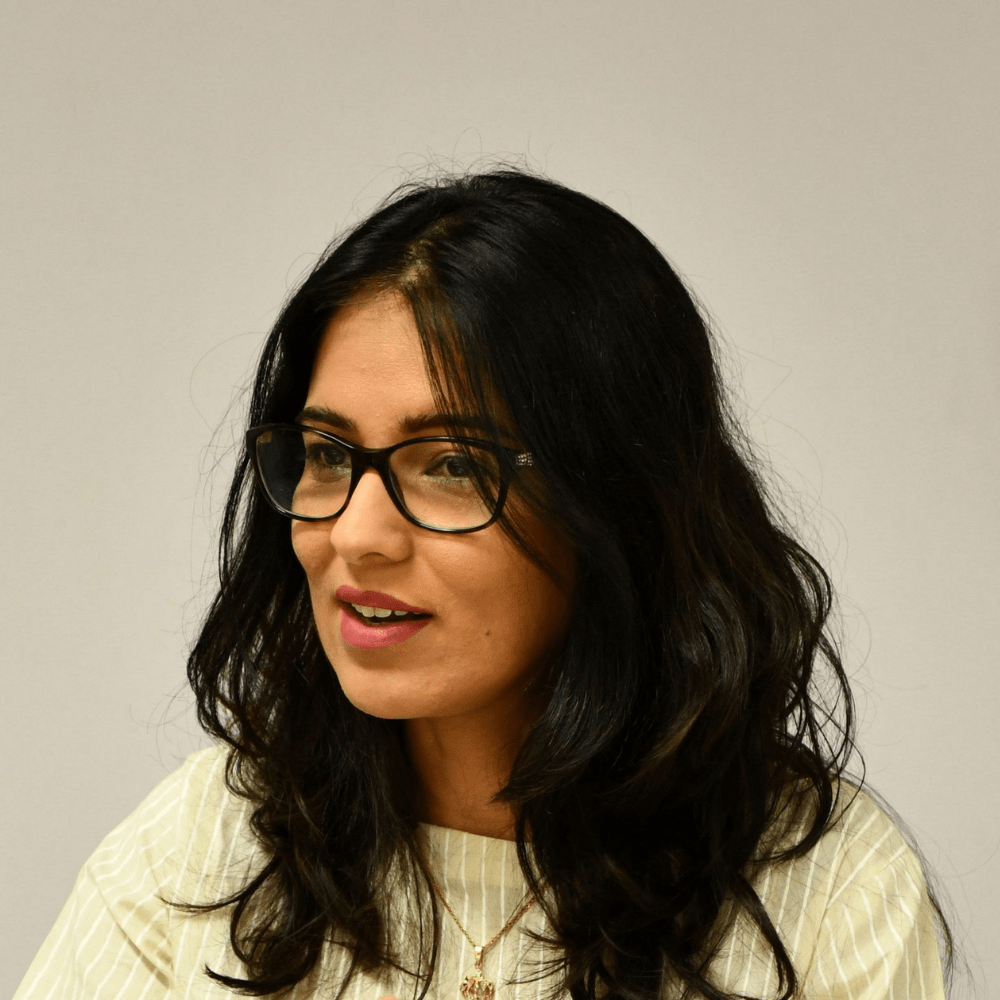
Dr Ayesha Mian is a US-trained, adult and child and adolescent psychiatrist with extensive experience in teaching, capacity building, and program development in the areas of leadership, mental health, medical education, cultural intelligence, and gender.
Dr Mian created the first child and adolescent psychiatry fellowship training program in Pakistan. She has been internationally recognized for her work; key awards include the Jeanne Spurlock Award for Diversity and Culture by AACAP, the Laughlin Fellowship by American College of Psychiatrists (ACP), Presidential Award and Outstanding Mentor by AACAP, Robert Fellowship for inspirational mentorship (AAP), Fulbright and Jaworski awards in educational leadership by BCM and a Lifetime Achievement Award by the University of Missouri, Department of Psychiatry.
She is a Distinguished Fellow of the American Academy of Child and Adolescent Psychiatry (AACAP) awarded for her instrumental work in pediatric mental health. She is also a Senior Fellow of the Higher Education Academy, UK, a recognition given for her leadership in medical education.
She is a board trustee/advisor for Mukhtar A Sheikh Hospital (MASH), Karwan e Hayat, Vital Trust, Kazim Trust, Sabeen Mahmood Foundation, and the Entrepreneurship and Youth Development Society, SEED Ventures, Pakistan.
In 2021 Dr Mian took a career turn to lead and co-create Synapse – Pakistan Neuroscience Institute. Synapse is Pakistan’s neuroscience center of excellence and a hub of professionals working together on diverse ideas to converge the understanding, treatment, enhancement and advancement of the brain and mental health in Pakistan. Synapse provides a personalized approach to holistic mental health, from illness to mental wellbeing, through individual, group, and community-based services.
panel
In a world where young people are navigating burnout, bullying, climate anxiety, and rising academic pressure, what does it truly mean for a school to teach empathy, belonging, self-awareness, and care? This conversation explores the power of Social and Emotional Learning (SEL) as a protective buffer, one that supports mental wellbeing while strengthening relationships and community. Our panel will examine how empathy can be taught as a skill: from active listening and kindness to conflict resolution and courageous communication. We’ll look at the collective role that teachers, parents, and institutions play in nurturing emotionally healthy young people, and how intentional SEL practices can help build leadership, agency, and voice, especially for girls, who often face distinct cultural and developmental pressures. Join us as we imagine what an education system rooted in humanity could make possible for the next generation.