
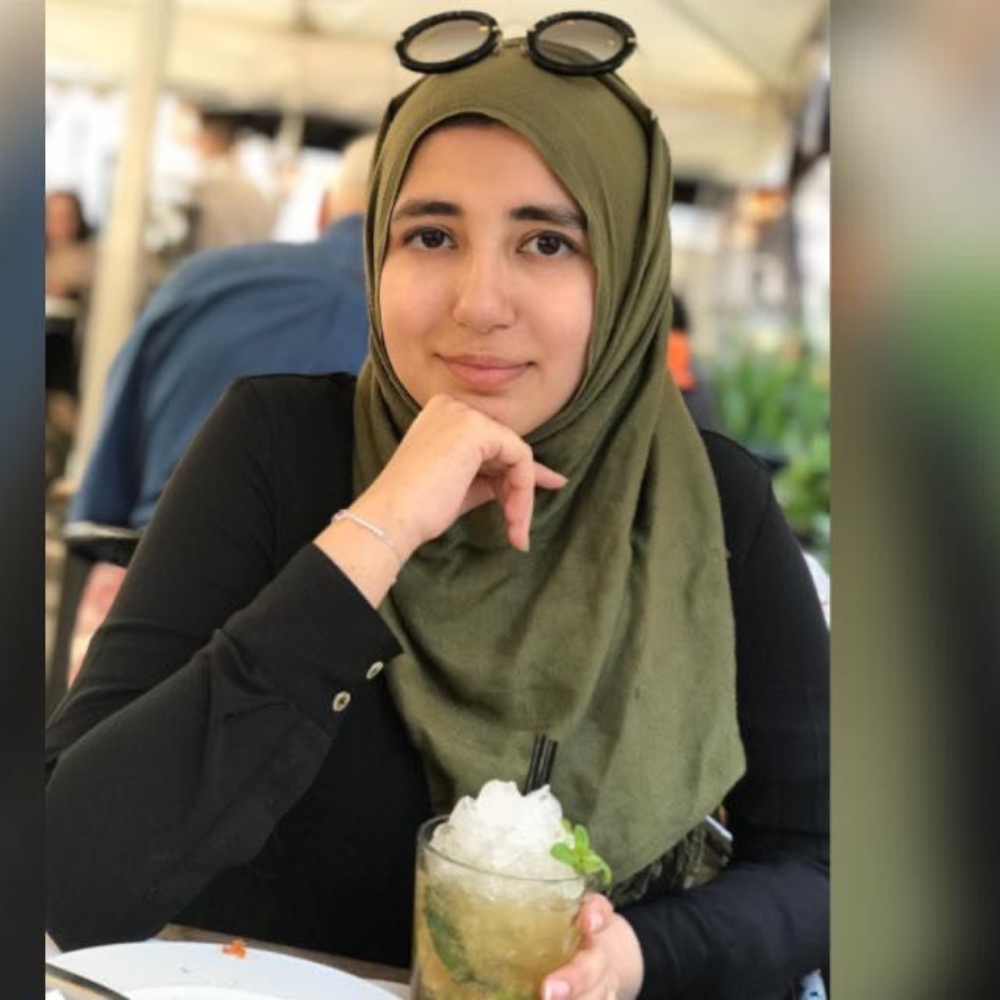
Anmol Irfan is a journalist, editor and co-founder of Echoes Media, a slow news ethical multimedia platform focused on storytelling in the Global South. Some of the key topics she’s been focused on recently include climate justice, tech-facilitated gender based violence, and international politics. She’s also worked on Umeed, a volunteer run initiative which focuses on challenging stigmas abuse and toxic narratives within Pakistan and has a keen interest in building up more education focused narratives within Pakistani society.
Anmol has been working as a journalist for the last 5 years, with experience in covering global affairs through the lens of social justice and representing marginalised narratives. Her bylines include The Guardian , Business Insider, Non Profit Quarterly, Logically and more. When she’s not working, she hosts a book club, enjoys experimenting with food, and is usually found with a good coffee in her hand.
panel
Drawing from Echoes Media’s grant-supported work on technology-based gender-based violence (TBGBV) and the gendered impacts of climate change, this panel explores how women’s stories illuminate both urgent risks and powerful possibilities. It brings together voices working across media, advocacy, and community engagement to examine how digital harm, climate vulnerability, disinformation, and social inequity intersect in the lives of women and girls in Pakistan. The discussion will also reflect on how misinformation and harmful narratives silence marginalized communities, distort lived realities, and reinforce existing power imbalances. Through insights from fieldwork, narrative initiatives, and creative practice, the panel highlights how ethical storytelling and inclusive representation can amplify unheard voices and become tools for safety, resilience, and accountability. Together, our panelists will explore how centering women’s experiences can challenge dominant narratives, drive cultural change, strengthen protection systems, and inspire new pathways toward equity.